
cement based waste heat recovery power plants manufacturer Grasping strong production capability, advanced research strength and excellent service, Shanghai cement based waste heat recovery power plants supplier create the value and bring values to all of customers.
 WhatsApp)
cement plant Reduction of the production cost and consumption cost is very much important because of that waste heat recovery is implemented in the cement industry The waste heat recovery reduces the Green house gas emissions and enhances the overall system performance
All our plants have captive power facilities except grinding unit at Jhajjar Infact JK Cement was the first Company to install captive power plant in the year 1987 JK Cement is also the first cement Company to install a waste heat recovery power plant to take care of the need of green power
Economically feasible WHP applications are generally based on recovering waste heat from combustion exhaust streams with temperatures above 500 o F Industrial processes that produce these temperatures include calcining operations cement lime alumina and petroleum coke metal melting glass melting petroleum fluid heaters
Waste heat Recovery means allowing the waste heat to leave the process but converting into electricity before it is discharged at lower temperature level to the environment Therefore after the efficiency of a cement plant has been driven to the economic optimum the remaining waste heat is
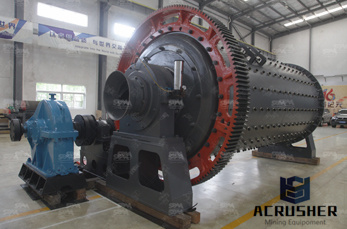
Waste Heat Recovery Systems WHR utilize the heat in industrial waste gases for the generation of electrical power WHR Systems are common in cement and lime plants and other pyroprocess industries where Rotary Kilns are used and the price and reliability of grid power supply make the investment economically feasible
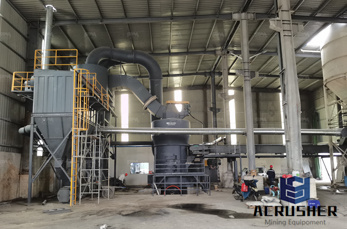
waste heat recovery WHR The amount of waste heat available for recovery depends on the kiln system design and production and amount of heat required for drying in the raw mill system solid fuel system and cement mill system WHRPG systems WHRPG systems used for cement kiln systems operate based on the Rankine Cycle
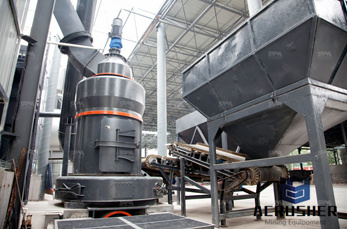
In Bestway cement Ltd a Waste Heat Recovery WHR captive power plant is installed to effectively utilize the waste heat and generate electric power The gas exit from AQC and SP in
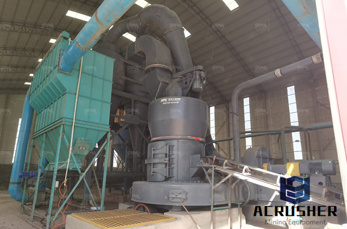
lowtemperature heating needs in the plant or used to generate power Waste heat recovery WHR can provide up to 30 percent of a cement plant''s overall electricity needs Besides it offers several other benefits including reduced greenhouse gas emissions and
Waste heat recovery generation WHRG is a power plant system that utilizes the flue gas to generate an electrical power in cement industry
JK Laxmi Cement Sirohi Rajasthan 21 MW AFBC based power plant Shree Cement Ltd Beawer Rajasthan 218 MW Captive Power Plant Cement Power is one of the most important raw materials for the cement industry and accounts for almost 30 of the total cost of cement manufacturing
With a power conversion efficiency of 1825 a typical cement plant can generate 69 MW of electricity from the waste heat recovery 22 23 27 28 Priyadarshini and Sivakumar 29 have studied
In a cement plant nearly 35 heat is lost primarily from the preheater and cooler waste gases This corresponds to around 70 to 75 MW of thermal energy This energy can be tapped by installing a Waste Heat Recovery Power Plant WHRPP Size of WHRPP is influenced by the moisture content present in raw material and fuel coal
Application of WASTE HEAT RECOVERY SYSTEM WHR System in Various Industries Cement Industry Sponge Iron Coke Oven Coke Quenching Plant Exhaust Gas Boiler Sulphur Recovery Plants Chemical Industry Oil Gas Industry Glass Furnaces Hydrogen Plant Refinery Petrochemical Industry Non Ferrous Industry Copper SmelterZinc Smelter etc and many more
The Waste Heat Recovery Systems for Cement Plants attract CDM benefits as it is CO2 free power generation It conserves water resources The Waste Heat Recovery Systems for Cement Plants have attractive returns on investment with highest life cycle earning
Criterion 1 The project utilizes waste heat from a cement production facility by waste heat recovery WHR system to generate electricity Criterion 2 WHR system consists of a Suspension Preheater boiler SP boiler andor Air Quenching Cooler boiler AQC boiler turbine generator and cooling tower Criterion 3 WHR system utilizes only waste heat and
Waste Heat Recovery Systems for Cement Plant The Waste Heat Recovery Systems for Cement Plants attract CDM benefits as it is CO2 free power generation It conserves water resources The Waste Heat Recovery Systems for Cement Plants have attractive returns on investment with highest life cycle earning
73 MW Waste Heat Recovery Based Power Plant at Kallur Gulbarga for Chetinnad Cement Corporation Limited India 271 MW Waste Heat Recovery Based Power Plant for Najran Cement Company Saudi Arabia Installation of WHR Based Power Plant for Union Cement Company UAE
Jul 25 2018· Waste heat recovery power generation system WHRPGS is widely employed in cement industry because it supplies about 30 of the total electricity consumption of a cement plant and has significant contribution to the profits Numerous studies have been carried out to improve the WHRPGS
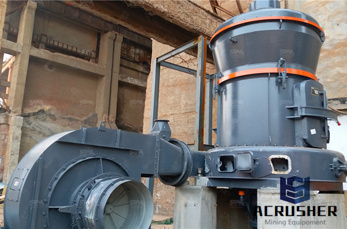
17 September 2018 Published under Cement News RCCPL the Birla Corp subsidiary formerly known as Reliance Cement Co is planning a 40MW captive and a 106MW waste heat recoverybased power plant at Mukutban village Yavatmal in the Indian state of Maharashtra The power plants will be part of the plant integrated cement plant on land already acquired by the company
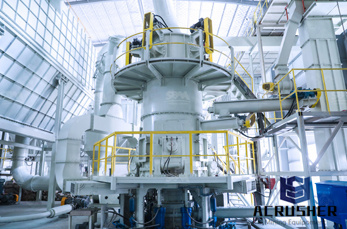
ypically the waste heat recovery in cement plant generates between 35 to 42 kwh ton of clinker The output varies based on the efficiency of the cement plant Transparent Energy Systems is one of the few panies in India who has indigenously built these equipments for cement industry
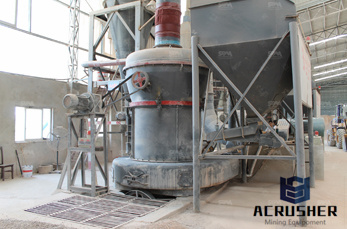
Waste Heat Recovery Power Plant u The waste heat recovery power plant recovers heat from the hightemperature exhaust gas discharged from various plants and generates electric energy u Many cement plants installed the system because of its excellent energysaving effects u The system is being used to recover wasteheat not only at cement plants but also at steelmaking and
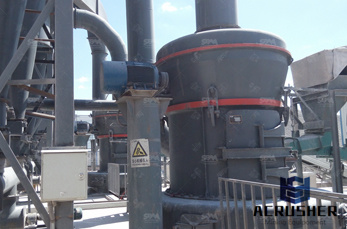
Waste heat Recovery means allowing the waste heat to leave the process but converting into electricity before it is discharged at lower temperature level to the environment Therefore after the efficiency of a cement plant has been driven to the economic optimum the remaining waste heat is converted into electricity
WhatsApp)
 Online Chat
 Sales Hotline